
SEARCH WHAT YOU WANT
ICODE SLIX library label
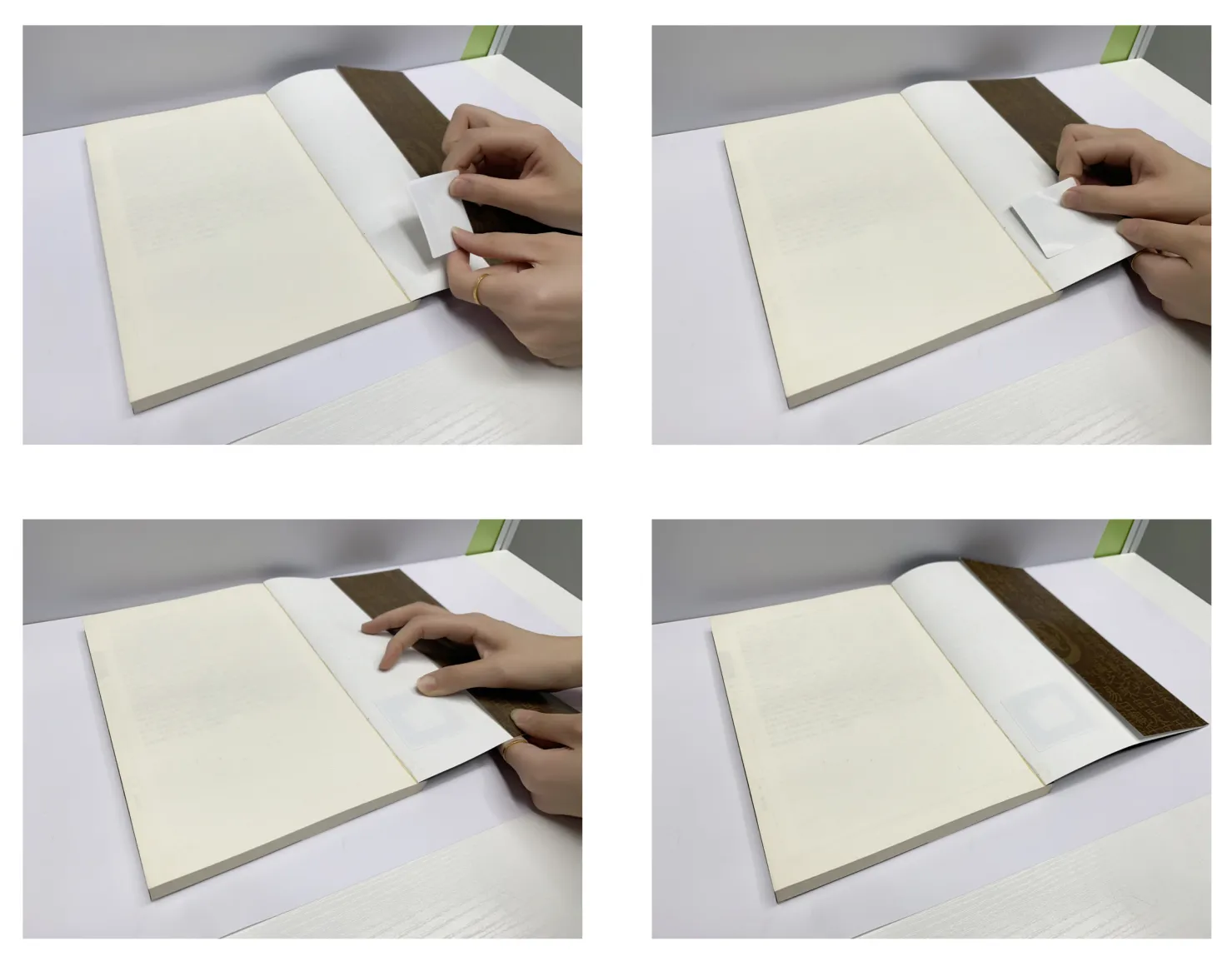
ICODE SLIX RFID book tag: With the development of Internet of Things technology, RFID is increasingly used in libraries. RFID technology is not just a simple barcode substitute. Its systematic application will have a revolutionary impact on the entire workflow, traditional services and management model of the library, and will lead to new business process reorganization, promote the development of library automation, and further enhance service functions.
Product Details
Compared with the traditional barcode plus magnetic stripe method, the advantages of electronic tags are mainly reflected in the following aspects:
1. Electronic tag non-contact reading improves the efficiency of book borrowing and returning
2. Self-service book borrowing and returning equipment improves the service level of the library
3. Mobile or handheld inventory terminals strengthen the collection management work
4. RFID security access control strengthens the anti-theft monitoring capability
Application areas:
Libraries, primary and secondary school books, university books, public libraries, reading rooms, etc.
| Chip | NXP ICODE SLEX / ICODE SLIX |
| Antenna substrate material | PET |
| Antenna manufacturing process | Aluminum etching Al (30um) + PET (38um) + bridge Al (10um) |
| Standards | ISO/IEC 15693 |
| Frequency | 13.56 MHz |
| Working mode | Passive |
| Chip life | Write 100,000 times, data storage for 10 years |
| Chip anti-static performance | Maximum 2000V |
| Operating temperature/humidity | -20°C~80°C/20%~80% |
| Storage temperature/humidity | +20°C~30°C/20%~60% |
| Finished product shelf life | Use anti-static bag to seal the package, 2 years at +20°C~30°C/40%~60% |
Previous: No more data
Give us a free quote
Submit this form and our sales representative will contact you soon.

Copyright © 2026 Guangdong Union Smart Technology Co., Ltd.