introduction:
RFID patrol tags use radio frequency identification technology to communicate with a handheld reader carried by security personnel. Barcode tags, on the other hand, have printed barcodes that can be scanned easily.
During routine patrols, guards use specialized readers or scanners to interact with these tags. When they approach a tag, the device records the time and location of the encounter. This way, it helps create a detailed log of the patrol route, ensuring that all important areas are checked as scheduled.
Moreover, the use of patrol tags improves accountability. Managers can review the records to know exactly whether the patrols have been carried out properly and if any areas have been missed. It also assists in meeting regulatory requirements in many industries where strict security patrols are mandated. Overall, patrol tags are a simple yet effective means to enhance the efficiency and reliability of security patrol operations.
Application Range of NFC Patrol Tags:
Suitable for fire prevention, theft prevention, and security patrols in building and community property management, shopping malls, supermarkets, hotels, mansions, factories, mines, enterprises, and public institutions.
Petroleum: Patrols of oil pipelines, natural gas pipelines, oil tank storage areas, and oil well facilities in oil fields.
Electric Power: Patrols of substations, transformers, high-voltage iron towers, poles, high-voltage lines, power plants, electric meter readings, and safety appliances.
Railway: Patrols of subgrades, rails, bridges, water and electricity, locomotives, warehouses, waiting halls, and police patrols.
Telecommunications: Patrols of optical cables, telephone lines, telephone booths, poles, and transmitter stations.
Public Security: Patrols of police officers, traffic police, police cars, sentry posts, and prison guards.
Military: Patrols of border defenses, sentry posts, ammunition depots, and quartermaster depots.
Grain Depots: Patrols for fire prevention, waterproofing, pest prevention, temperature, and humidity control.
Forestry: Forest fire prevention, forest police patrols, protection of animals and plants, and anti-hunting patrols.
Mining: Underground safety in coal mines, above-ground facilities, vehicles, and coal yard patrols.
Hospital: Nurse rounds, corpse management, personnel assessment, and security patrols.
Postal Service: Patrols for frequency/time limit management of mailboxes, warehouses, and shuttle buses.
Airport: Patrols of waiting halls, runways, and fire detection.
School: Patrols of campuses, teaching buildings, dormitories, laboratory buildings, and libraries.
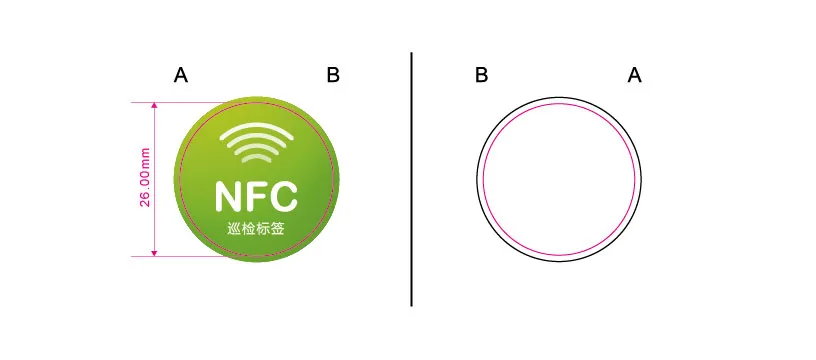
NFC patrol tags come in various shapes and can be customized!
introduction:
RFID patrol tags use radio frequency identification technology to communicate with a handheld reader carried by security personnel. Barcode tags, on the other hand, have printed barcodes that can be scanned easily.
During routine patrols, guards use specialized readers or scanners to interact with these tags. When they approach a tag, the device records the time and location of the encounter. This way, it helps create a detailed log of the patrol route, ensuring that all important areas are checked as scheduled.
Moreover, the use of patrol tags improves accountability. Managers can review the records to know exactly whether the patrols have been carried out properly and if any areas have been missed. It also assists in meeting regulatory requirements in many industries where strict security patrols are mandated. Overall, patrol tags are a simple yet effective means to enhance the efficiency and reliability of security patrol operations.
Application Range of NFC Patrol Tags:
Suitable for fire prevention, theft prevention, and security patrols in building and community property management, shopping malls, supermarkets, hotels, mansions, factories, mines, enterprises, and public institutions.
Petroleum: Patrols of oil pipelines, natural gas pipelines, oil tank storage areas, and oil well facilities in oil fields.
Electric Power: Patrols of substations, transformers, high-voltage iron towers, poles, high-voltage lines, power plants, electric meter readings, and safety appliances.
Railway: Patrols of subgrades, rails, bridges, water and electricity, locomotives, warehouses, waiting halls, and police patrols.
Telecommunications: Patrols of optical cables, telephone lines, telephone booths, poles, and transmitter stations.
Public Security: Patrols of police officers, traffic police, police cars, sentry posts, and prison guards.
Military: Patrols of border defenses, sentry posts, ammunition depots, and quartermaster depots.
Grain Depots: Patrols for fire prevention, waterproofing, pest prevention, temperature, and humidity control.
Forestry: Forest fire prevention, forest police patrols, protection of animals and plants, and anti-hunting patrols.
Mining: Underground safety in coal mines, above-ground facilities, vehicles, and coal yard patrols.
Hospital: Nurse rounds, corpse management, personnel assessment, and security patrols.
Postal Service: Patrols for frequency/time limit management of mailboxes, warehouses, and shuttle buses.
Airport: Patrols of waiting halls, runways, and fire detection.
School: Patrols of campuses, teaching buildings, dormitories, laboratory buildings, and libraries.
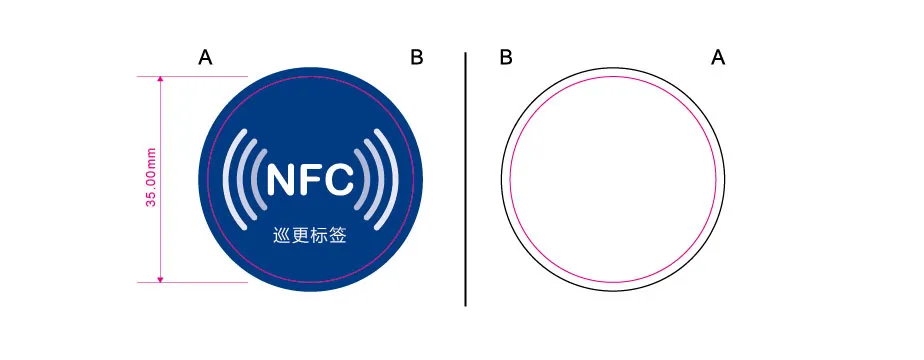
NFC patrol tags come in various shapes and can be customized!