
SEARCH WHAT YOU WANT
LED Illuminated Archive Tags
LED light-up tag adds a light-up reminder function to the traditional RFID tag. When you need to find the item, the LED light on the tag will light up according to the corresponding item, so as to quickly locate and find the specified item in the warehouse, archives and other item management. Widely used in warehouses, hospitals, libraries, inventory item positioning, shelf positioning, clothing search positioning, book search positioning, archive search positioning as the main application areas.
Product Details
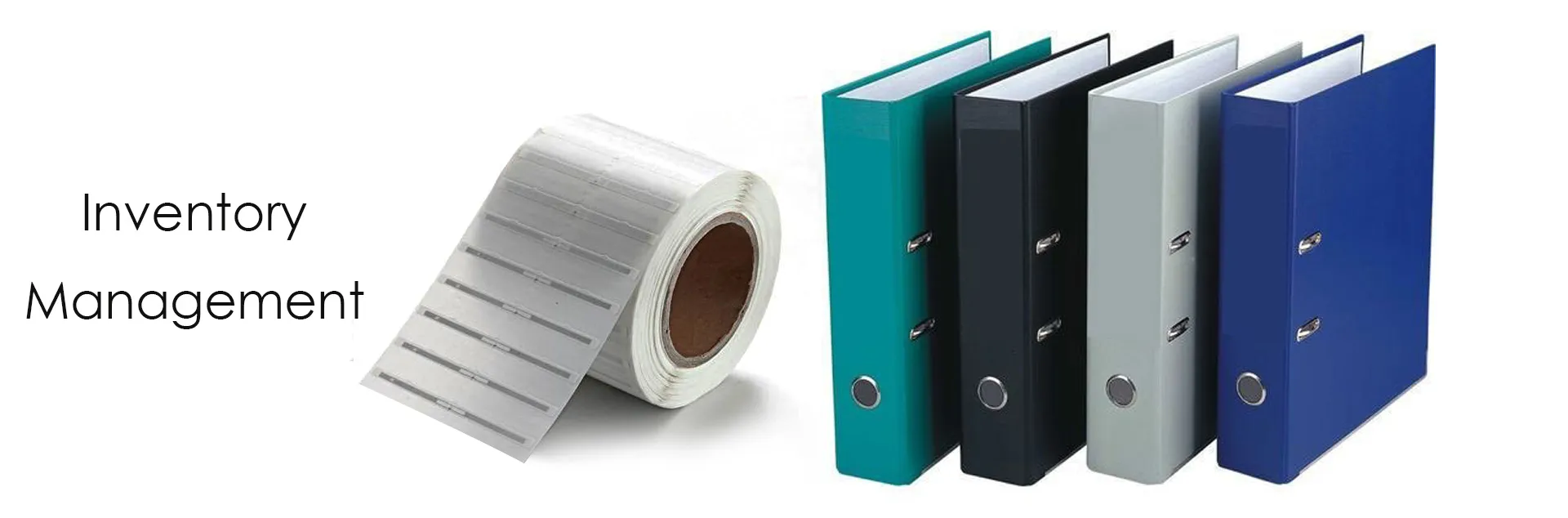
The LED light-up label is based on the traditional RFID tag. It adds a light-up reminder function. When you need to find this item, the LED light on the label will light up according to the corresponding item to facilitate the management of items in warehouses, archives, etc.
Quickly locate and find specified items. It is widely used in warehouses, hospitals, and libraries. The main application areas are inventory positioning, shelf positioning, clothing search and positioning, book search and positioning, and file search and positioning.
Quickly locate and find specified items. It is widely used in warehouses, hospitals, and libraries. The main application areas are inventory positioning, shelf positioning, clothing search and positioning, book search and positioning, and file search and positioning.

RFID (Radio-Frequency Identification) LED inventory tags combine the benefits of RFID technology with LED indicators, providing several advantages for inventory management and tracking. Here are some of the key advantages of using RFID LED inventory tags:
Real-Time Tracking:
RFID tags enable real-time visibility of inventory, allowing businesses to track items as they move in and out of storage locations. This helps in reducing stock discrepancies and improving overall accuracy.
Automated Inventory Management:
RFID systems automate the process of inventory counting, reducing the need for manual stock checks. This saves time and labor costs while increasing efficiency in inventory management.
Improved Accuracy:
RFID technology minimizes human error associated with manual inventory processes, leading to more accurate inventory counts and data management.
Enhanced Visibility with LED Indicators:
The LED feature provides visual indicators for inventory status, such as low stock alerts or items that are in the wrong location. This immediate feedback helps employees quickly address any issues.
Increased Efficiency:
RFID tags speed up the process of inventory tracking. Instead of scanning each item individually, RFID allows multiple items to be read simultaneously, significantly reducing the time required for inventory management.
Extended Range:
RFID tags can be read from greater distances compared to traditional barcodes. This feature is particularly useful in large warehouses or retail environments where items may not always be easily accessible.
Durability:
RFID tags are typically more durable than traditional labels, making them suitable for harsh environments. They can withstand exposure to moisture, extreme temperatures, and physical abrasion, ensuring that they continue to function effectively.
Integration with Other Systems:
RFID systems can easily integrate with existing inventory management software, allowing businesses to leverage their current infrastructure and improve workflow.
Reduced Theft and Loss:
RFID systems can help deter theft and loss by providing detailed tracking of inventory movements. Alerts can be set up to notify management if items are removed from designated areas without proper authorization.
Data Analytics:
By collecting data through RFID systems, businesses can analyze inventory levels, turnover rates, and sales patterns to make informed decisions about stock management, ultimately improving profitability.
Streamlined Fulfillment Processes:
RFID technology facilitates faster picking and packing processes in warehouses, improving order fulfillment times and enhancing customer satisfaction.
Environmental Benefits:
Many RFID tags are designed to be reusable or recyclable, contributing to a more sustainable approach to inventory management.
| Antenna size | 95*3mm (can be customized) |
| Label size | 98*6mm (can be customized) |
| Fabric material | No fabric (for wet inlay) or glassine release paper |
| Antenna material | Aluminum etching, 10um Al + 50um PET |
| Transfer adhesive | Hot melt adhesive, double-sided tape without base material |
| Protocol | ISO 18000-6C, EPC Class1 Gen2 |
| Data storage |
≧ 10 years |
Previous: RFID Book Shelf Label
Next: No more data
Give us a free quote
Submit this form and our sales representative will contact you soon.

Copyright © 2026 Guangdong Union Smart Technology Co., Ltd.