SEARCH WHAT YOU WANT

RFID Tags

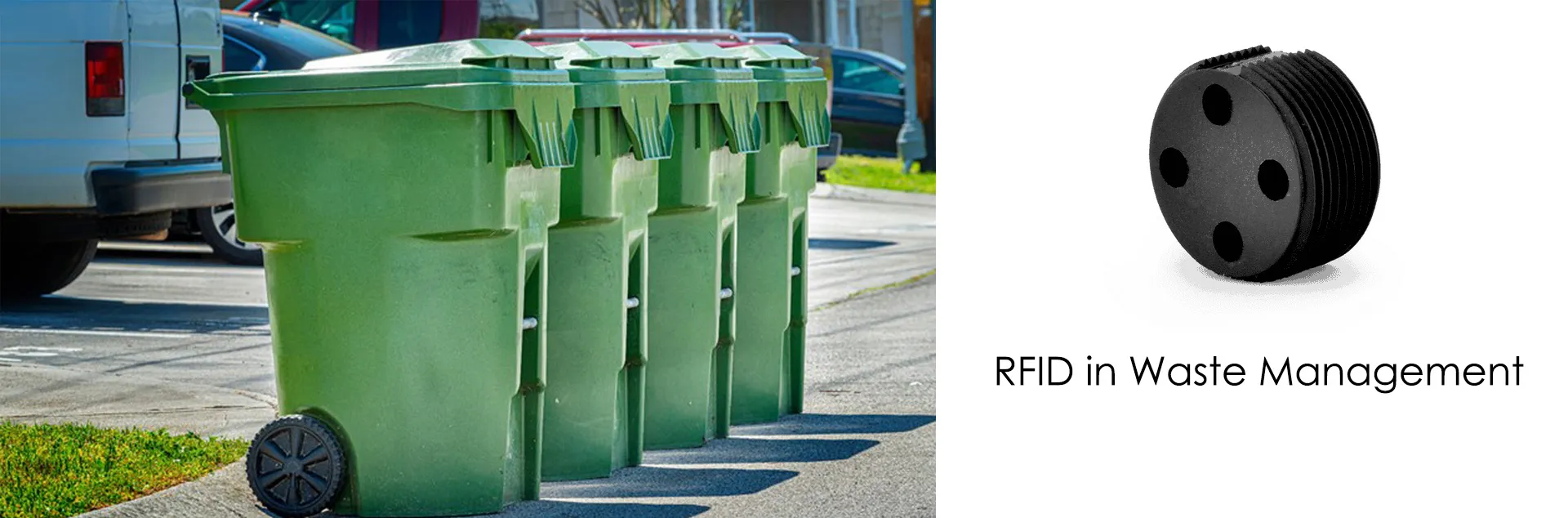
RFID Smart Bin Tags

Medical Device Tags refer to signs that are pasted, fixed, and hung on medical devices to indicate product information. Medical device labels should comply with regulatory requirements to ensure the safety and efficacy of medical devices

Medical Device Tags refer to signs that are pasted, fixed, and hung on medical devices to indicate product information. Medical device labels should comply with regulatory requirements to ensure the safety and efficacy of medical devices


Product Details
 
 
RFID (Radio-Frequency Identification) smart bin tags offer several advantages in waste management and recycling processes. Here are some key benefits:
 
Real-Time Tracking: RFID tags allow for real-time monitoring of waste bins. This enables better inventory management and tracking of waste levels, ensuring bins are emptied when necessary.
 
Improved Efficiency: With RFID technology, waste collection routes can be optimized, reducing collection times and fuel consumption. This leads to lower operational costs.
 
Data Collection: RFID tags facilitate the collection of data regarding waste generation patterns, which can be analyzed to improve recycling programs and strategies.
 
Enhanced Accountability: By linking tags to specific bins or locations, municipalities and companies can track waste disposal and recycling efforts, holding individuals or departments accountable for their waste management practices.
 
Reduced Contamination: RFID technology can help monitor recycling bins to ensure that only appropriate materials are deposited, reducing contamination rates in recycling streams.
 
Automation: RFID systems can automate waste management processes, reducing the need for manual input. This includes automated reports on bin status and collection schedules.
 
Cost Savings: Over time, the efficiency gained through RFID technology can lead to significant cost savings in waste management operations, including fuel savings and reduced labor costs.
 
Improved Customer Service: With better tracking and information on bin status, waste management providers can respond more effectively to customer needs and complaints.
 
Environmental Benefits: By optimizing waste collection and encouraging better recycling practices through data, RFID technology can contribute to more sustainable waste management and reduced environmental impact.
 
Durability and Low Maintenance: RFID tags are typically robust and can withstand harsh environmental conditions, reducing the need for frequent replacements or maintenance.
 
Integration with Other Systems: RFID technology can be integrated with existing waste management or asset management systems, enhancing overall functionality and reporting capabilities.
 
Security Features: RFID tags can incorporate various levels of security to prevent tampering or theft, ensuring that waste management processes remain reliable.
 
Frequency LF 125KHz, 134KHz
Material ABS
Operating temperature -25 to +60℃
Storage temperature -40 to +70
Resistance Harsh Environment
Application Waste Management
 
 
RFID (Radio-Frequency Identification) smart bin tags offer several advantages in waste management and recycling processes. Here are some key benefits:
 
Real-Time Tracking: RFID tags allow for real-time monitoring of waste bins. This enables better inventory management and tracking of waste levels, ensuring bins are emptied when necessary.
 
Improved Efficiency: With RFID technology, waste collection routes can be optimized, reducing collection times and fuel consumption. This leads to lower operational costs.
 
Data Collection: RFID tags facilitate the collection of data regarding waste generation patterns, which can be analyzed to improve recycling programs and strategies.
 
Enhanced Accountability: By linking tags to specific bins or locations, municipalities and companies can track waste disposal and recycling efforts, holding individuals or departments accountable for their waste management practices.
 
Reduced Contamination: RFID technology can help monitor recycling bins to ensure that only appropriate materials are deposited, reducing contamination rates in recycling streams.
 
Automation: RFID systems can automate waste management processes, reducing the need for manual input. This includes automated reports on bin status and collection schedules.
 
Cost Savings: Over time, the efficiency gained through RFID technology can lead to significant cost savings in waste management operations, including fuel savings and reduced labor costs.
 
Improved Customer Service: With better tracking and information on bin status, waste management providers can respond more effectively to customer needs and complaints.
 
Environmental Benefits: By optimizing waste collection and encouraging better recycling practices through data, RFID technology can contribute to more sustainable waste management and reduced environmental impact.
 
Durability and Low Maintenance: RFID tags are typically robust and can withstand harsh environmental conditions, reducing the need for frequent replacements or maintenance.
 
Integration with Other Systems: RFID technology can be integrated with existing waste management or asset management systems, enhancing overall functionality and reporting capabilities.
 
Security Features: RFID tags can incorporate various levels of security to prevent tampering or theft, ensuring that waste management processes remain reliable.
 
Frequency LF 125KHz, 134KHz
Material ABS
Operating temperature -25 to +60℃
Storage temperature -40 to +70
Resistance Harsh Environment
Application Waste Management

Give us a free quote
Submit this form and our sales representative will contact you soon.
* Name
Phone
* Email
Company
* Message