
SEARCH WHAT YOU WANT
Product Details
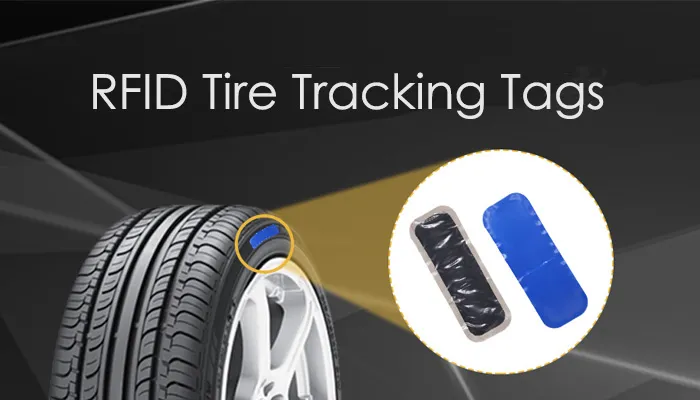
What's RFID Tire Tracking Tags?
It can write tire production data, sales data, usage data, retread data;
And the corresponding data can be collected and read through the terminal at any time.
Through the corresponding management software, the entire life cycle of the tire can be effectively managed, and the pressure, temperature and Information such as the degree of wear and tear is transmitted to the vehicle control system in real time, and the owner can obtain the information at any time to ensure the safe operation of the vehicle.
And the corresponding data can be collected and read through the terminal at any time.
Through the corresponding management software, the entire life cycle of the tire can be effectively managed, and the pressure, temperature and Information such as the degree of wear and tear is transmitted to the vehicle control system in real time, and the owner can obtain the information at any time to ensure the safe operation of the vehicle.
| Size | 95*35*2.7MM |
| Material | Rubber |
| Working frequency | 860-960Mhz |
| Sensing distance | 0-7m |
| Working environment | -40 to +150°C |
| Data validity period | 10 years |
| Read and write times | 100,000 times |
Advantages:
Enhanced Inventory Management: RFID tags allow for real-time tracking of tire inventory, making it easier to manage stock levels, understand demand patterns, and optimize inventory turnover.
Improved Efficiency: The ability to quickly scan multiple tires simultaneously without the need for line-of-sight enables faster processing during inventory audits and during shipping and receiving.
Accurate Data Collection: RFID technology improves accuracy in data collection, reducing human error associated with manual entry and ensuring that records are up-to-date and reliable.
Lifecycle Tracking: RFID tags can store information about the tire's history, including production details, maintenance records, and performance metrics. This information helps in managing tire life cycles effectively.
Theft Prevention: By tracking the location of tires using RFID, companies can reduce the risk of theft. Alerts can be set up to notify stakeholders of unauthorized movement.
Quality Control: Tracking tires throughout the supply chain can help ensure quality control, as manufacturers can monitor for defects, compliance, and adherence to regulations.
Enhanced Customer Service: RFID tracking can provide customers with detailed information regarding the tires' history and condition, leading to better service and increased customer satisfaction.
Data Integration: RFID systems can easily integrate with existing enterprise resource planning (ERP) systems, which helps in streamlining operations and improving overall efficiency.
Cost Savings: Although there is an initial investment for RFID technology, the long-term benefits include reduced labor costs, decreased losses from theft or misplacement, and improved operational efficiency.
Environmental Benefits: Efficient tire tracking can contribute to reducing waste by ensuring that tires are used to their full potential and recycled appropriately when their lifecycle is complete.
Streamlined Maintenance: Maintenance schedules can be automated based on tire usage and performance data linked to the RFID tags, ensuring timely service and increased safety.
Previous: Headlight RFID Tags
Give us a free quote
Submit this form and our sales representative will contact you soon.

Copyright © 2026 Guangdong Union Smart Technology Co., Ltd.