
SEARCH WHAT YOU WANT
RFID Tags
NFC Toy ID Tags
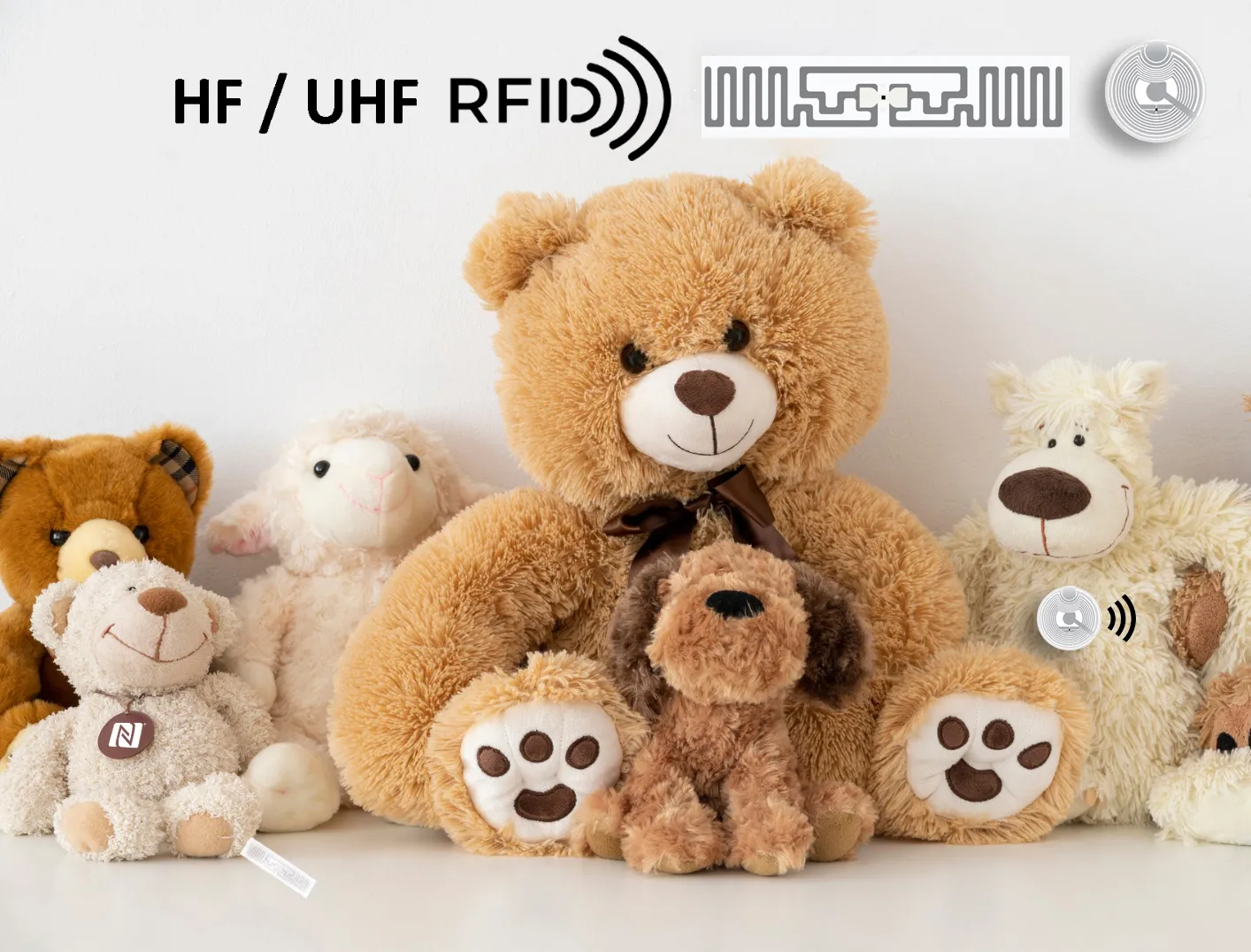
NFC Toy ID Tags are cutting-edge, child-friendly smart devices designed to transform traditional toys into interactive, connected companions. Embedded with NFC technology, these compact tags attach securely to toys, plush animals, game pieces, or educational kits. They act as a bridge between physical play and digital experiences, enabling seamless interaction with smartphones or tablets while prioritizing safety, durability, and creative engagement. By storing encrypted data and triggering app-based features, NFC Toy ID Tags enhance storytelling, learning, and parental control—all without compromising the joy of hands-on play.
Toy RFID tags are electronic tags used for toy management. They can be used to track and manage toy inventory, usage records, maintenance information, etc. This tag usually consists of a chip and an antenna. The chip stores information related to the toy, and the antenna is used to read and write this information.
Product Details
Features:
🔐 Tiered Information Access&Secure Digital Interaction
-
Instant Public Profile: Anyone can tap the tag to view toy name, age rating, and brand info—no app or login required.
- Encrypted Data Storage: Password-protected NFC chips store unique toy IDs, purchase dates, and age ratings (1KB–4KB memory), preventing unauthorized access.
- Anti-Counterfeiting: Each tag carries a unique identifier, allowing manufacturers to verify authenticity and protect intellectual property across supply chains.
🧩 Child-Safe & Interactive Design
-
Non-Toxic & Durable: Made of food-grade silicone and ABS plastic (certified to CPSC, EN71), resistant to drops, bites, and spills.
-
Rounded Edges & Lightweight: Weighs 3-8 grams with no sharp parts, safe for ages 3+.
📱 Universal Compatibility & Hassle-Free Use
-
Works with All Devices: Seamlessly connects to smartphones (iOS/Android), tablets, and NFC readers—no setup or batteries needed.
-
Forever Power-Free: Passive NFC tech ensures 10+ years of maintenance-free operation.
Application:
🏫 Educational & Retail Integration
-
Schools use tagged toys for interactive lessons .
-
Stores deploy NFC demo stations where kids tap tags to watch product videos.
🛍️ Toy Anti-Counterfeit Protection&Manufacturer & Retail Solutions
-
Anti-Counterfeit Protection:Verify toy authenticity by tapping the tag to access manufacturer-certified product details.
- Supply Chain Traceability: Embed tags in bulk toys to track inventory, prevent counterfeits, and manage recalls efficiently via unique serial numbers.
- Brand Engagement: Use tags to share product tutorials, warranty info, or exclusive offers, fostering customer loyalty (e.g., a “Scan for Assembly Video” on a building block set).
👨👩👧👦 Parental Peace of Mind
-
Age-Appropriate Content: Ensure toys only access content suited to the child’s age
- Safety Monitoring: Track when a toy is scanned and which features are used, helping parents guide screen time and avoid unsuitable interactions.
Why Choose NFC Toy ID Tags?
-
Safety First: Certified materials and encrypted data protect kids physically and digitally.
-
Endless Creativity: Turn any toy into a gateway for games, stories, or learning tools.
-
Sustainability: Reusable tags reduce e-waste compared to disposable electronic toys.
Parameters:
| Chip | The chip is the core of the RFID tag, which stores information related to the toy, such as product ID, production date, material, maintenance method, etc.; |
| Antenna | The antenna is the communication medium between the RFID tag and the card reader, used to read and write information in the chip |
| Frequency | The operating frequency of RFID tags is low frequency, high frequency and ultra-high frequency. Different frequencies are suitable for different application scenarios |
| Read and write distance | The read and write distance refers to the distance at which the card reader can read the tag, which is related to factors such as antenna power and operating frequency |
| Security | Security is an important parameter of RFID tags. The information in the tag needs to be encrypted to prevent theft or tampering |
| Size and shape | The size and shape of RFID tags depend on the application scenario and specific requirements, such as round, square, thin sheet, etc |
| Cost | The cost of RFID tags depends on multiple factors, such as chip size, manufacturing process, production batch, etc |
Toy RFID tags are electronic tags used for toy management. They can be used to track and manage toy inventory, usage records, and maintenance information. This tag usually consists of a chip and an antenna. The chip stores information related to the toy, and the antenna is used to read and write this information.
The application of toy RFID tags can greatly improve the efficiency and accuracy of toy management, such as tracking inventory in stores and managing toy borrowing in libraries. At the same time, this tag can also provide parents with information about the use of toys, helping them make better decisions when buying toys.
For toy manufacturers, toy RFID tags can also provide data on the use of toys so that they can understand the use of their products and improve product design.
| Chip | The chip is the core of the RFID tag, which stores information related to the toy, such as product ID, production date, material, maintenance method, etc.; |
| Antenna | The antenna is the communication medium between the RFID tag and the card reader, used to read and write information in the chip |
| Frequency | The operating frequency of RFID tags is low frequency, high frequency and ultra-high frequency. Different frequencies are suitable for different application scenarios |
| Read and write distance | The read and write distance refers to the distance at which the card reader can read the tag, which is related to factors such as antenna power and operating frequency |
| Security | Security is an important parameter of RFID tags. The information in the tag needs to be encrypted to prevent theft or tampering |
| Size and shape | The size and shape of RFID tags depend on the application scenario and specific requirements, such as round, square, thin sheet, etc |
| Cost | The cost of RFID tags depends on multiple factors, such as chip size, manufacturing process, production batch, etc |
Next: NFC tags
Give us a free quote
Submit this form and our sales representative will contact you soon.

Copyright © 2024 Guangdong Union Smart Technology Co., Ltd.